Blog
Yu-Gi-Oh! Card Rarities Explained: From Common to Secret Rare

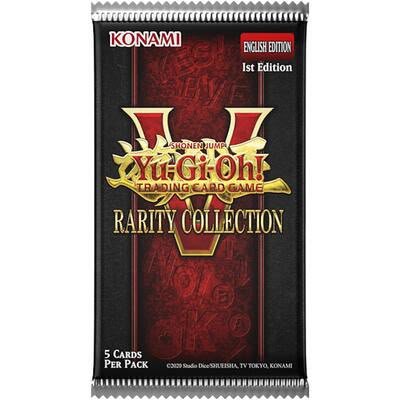
Open any Yu-Gi-Oh! booster pack and you’ll notice that some cards shine and some don’t. The finish of a card’s name, artwork and border tells you its rarity, and rarity has a big effect on how collectible a card is. Here’s a clear guide to the main rarities and how to recognise each one.
Good to know: rarity changes how a card looks, not how it plays. A Common and a Secret Rare version of the same card have exactly the same effect in a duel.
The main rarities
| Rarity | How to recognise it |
|---|---|
| Common | Plain card name and non-foil artwork |
| Rare | Silver foil card name; artwork is not foil |
| Super Rare | Foil artwork; card name is regular (not foil) |
| Ultra Rare | Foil artwork and a gold foil card name |
| Secret Rare | Rainbow or diagonal-pattern foil across the artwork, with a rainbow-tinted name |
| Ultimate Rare | Embossed, raised details on the artwork, border and name |
| Ghost Rare | Pale, almost 3D holographic artwork with a silvery look |
| Starlight Rare | Foil across the whole card, including the text box and border, with a distinctive linear pattern |
| Collector’s Rare | A textured, full-card foil effect, often on popular cards |
Not every set includes every rarity. Each set has its own rarity list, and special products such as rarity collections may use extra rarities like Quarter Century Secret Rare or Platinum Secret Rare.
Why rarity matters
- Pull rates: higher rarities appear far less often, so they’re harder to find
- Value: a popular card in a high rarity can be worth many times its Common version
- Collecting goals: many collectors chase a full set in one rarity, or a favourite card in its rarest form
- Showing off: plenty of duelists like to “bling out” their deck with high-rarity versions
Other things to check on a card
Set code
Below the artwork on the right is a code such as ABCD-EN001. It tells you which set the card is from and its number in that set.
1st Edition
Cards from the first print run of a set say 1st Edition under the artwork. Collectors often prefer them.
Authenticity hologram
Genuine cards have a small authentication hologram in the bottom-right corner. A missing, flat or poorly printed hologram is a warning sign.
Tips for new collectors
- Store valuable cards in sleeves and toploaders straight away
- Learn the rarity list of a set before you buy, so you know what you’re chasing
- Buy sealed product from trusted sellers to avoid searched or resealed packs
- Keep high-rarity cards away from sunlight to avoid fading
Start your collection. Browse our sealed Yu-Gi-Oh! products.